
Early in my career, while working for an aerospace organization, a mentor saw something in me that I hadn’t yet seen in myself. He encouraged me to go back to school for computer science. It was a bold move for me, especially as a single parent, but I took the chance. I discovered I had a natural ability for troubleshooting, leadership and working with people, and that unexpected decision opened the door to an entirely different career. Sometimes we need to question what we think is possible before we can discover what actually is.
The Clues Were There All Along
Years later, a colleague asked me a question that stopped me in my tracks:
“Why do people willingly bend over backwards to do things for you that they’d never do for me?”
I honestly didn’t know. I hadn’t realized I was doing anything unusual. Later, a boss commented that unlike many project managers she had encountered, I didn’t avoid conflict. I went toward it. I wanted to understand what was really happening, get people talking and help them find a way forward.
Those observations stayed with me. Over time, I began to realize that one of my greatest strengths wasn’t managing schedules, budgets or technology. It was helping people see situations differently, communicate differently and move forward when they felt stuck. And sometimes, I was the person who felt stuck.
When I Stopped Believing in Myself
Early in my IT career, I spent nearly two years believing I was failing at a job I should have been able to do well. I was constantly behind. My manager criticized me for taking too long to complete my work. I watched my colleagues succeed at tasks I struggled to finish. I became increasingly isolated from the team. Eventually, even my friends began telling me I wasn’t the same person anymore.
They were right. I felt like an absolute failure.
Then my manager moved to another position and one of my colleagues took over the team. He had seen my work on committees and couldn’t reconcile the capable person he’d observed there with the person who was struggling so badly on his team. So he started asking questions. During our first working session, he logged into a database the rest of the team used every day. I was thrilled. This was exactly what I’d been looking for. If we all were given access to it the team’s productivity would skyrocket.
He stared at me, speechless, because I, alone, had never been given access to it.
As he continued asking questions, we discovered that I hadn’t been given other critical information and tools the rest of the team routinely used. I hadn’t been failing under the same conditions as everyone else.
I’d been trying to succeed without being given what I needed to succeed.
Learning the truth explained what had happened. But it didn’t magically restore my confidence. My new manager understood that. Instead of protecting me by giving me easier assignments, he did the opposite. He told the team that, for the time being, the most challenging work that came into our group would be given to me.
I was terrified. What if I failed again? What if everyone discovered that I really wasn’t capable after all? But I didn’t fail. I excelled. Assignment by assignment, the evidence changed. And slowly, so did what I believed about myself.
What I’ve Come to Believe
That experience has stayed with me for more than 30 years. It taught me how profoundly our experiences, circumstances and other people’s behaviour can affect what we come to believe about ourselves. It also taught me something even more important:
Something can feel absolutely true without actually being true.
We all accumulate beliefs about ourselves and our lives:
- I’m not good enough.
- It’s too late.
- I’m too old.
- I’m not ready.
- I couldn’t possibly do that.
- I don’t have what it takes.
Sometimes those beliefs come from other people. Sometimes they grow out of difficult experiences. And sometimes we’ve simply believed them for so long that we stop questioning whether they’re true.
But what happens when we do question them? What happens when we ask: What else might be possible?
I’m Still Asking That Question
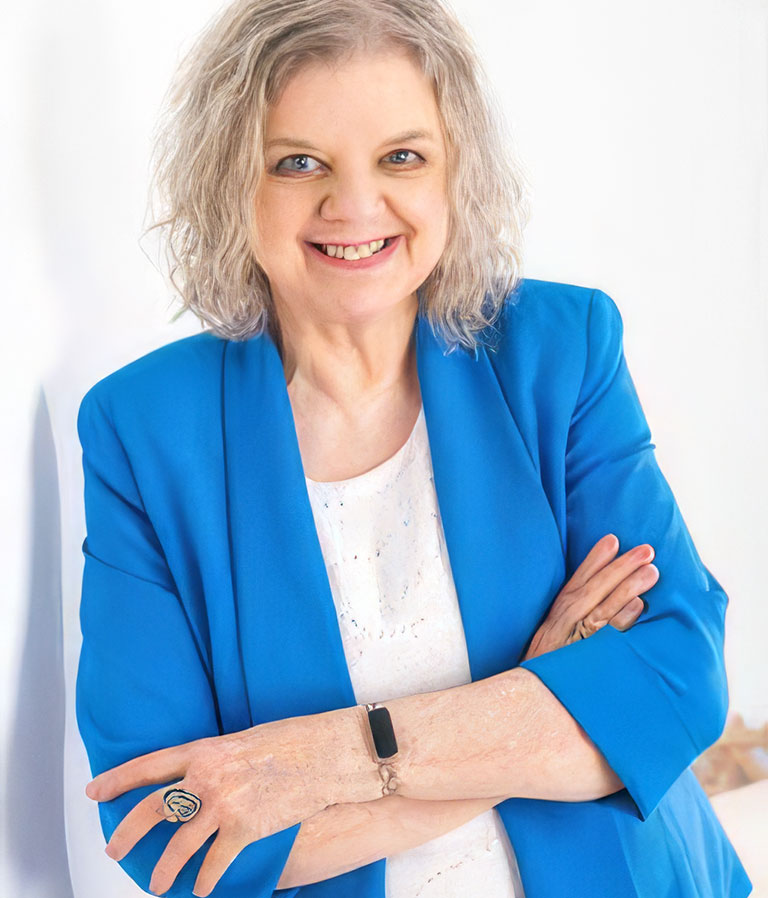
Today, I’m creating another chapter of my own life. After more than 30 years in project management, I’ve retired from managing projects. I still coach project managers navigating the people side of projects, but the focus of my work has expanded.
Today, I help people rethink what’s possible. I work with people who know they want something more or different from their lives, even when they aren’t yet sure what that looks like. Together, we explore what they really want, the beliefs and assumptions that may be limiting them, and what it would take to begin turning their vision into reality.
I do that through coaching, workshops and speaking. And I’m currently writing my next book, appropriately titled Rethink What’s Possible.
And I’m not standing on the sidelines telling other people to create a new chapter. I’m creating one too I’m continuing to ask myself what I want my own next chapter to look like, pursuing work that matters to me, and discovering that “What’s next?” can be an exciting question at any stage of life.
I’m not doing this work because I believe I’ve figured everything out. I’m doing it because I’ve spent a lifetime discovering that our lives can take turns we never anticipated, that we can lose sight of who we are and find our way back, and that there may be possibilities available to us that we simply haven’t considered yet.
I’m still rethinking what’s possible for my own life.
And I’d love to help you rethink what’s possible for yours.